Scientific Understanding of Foundation Models
Foundation models have transformed AI across language, vision, science, and multimodal reasoning — but we still lack a systematic scientific understanding of how they represent knowledge, generalize, reason, and align with human intent. This workshop brings together researchers committed to building that understanding.
About the Workshop
Moving from empirical scaling phenomena toward predictive science for foundation models.
Despite the extraordinary capabilities of modern foundation models, our scientific understanding of these systems remains remarkably shallow. We can observe that scaling works — but we cannot yet predict when capabilities will grow, why certain representations form, or how reasoning behavior arises from training dynamics.
This workshop aims to catalyze a shift from capability demonstration to formal, testable theory. We seek to uncover laws, invariants, and causal structures — and to develop rigorous evaluation methodologies that can make foundation models more controllable, reliable, and interpretable.
By bringing together researchers from theory, empirical ML, interpretability, optimization, evaluation, and scientific methodology, we aim to lay groundwork for a genuine science of foundation models — one built on predictive understanding, not post-hoc narrative.
Motivating Questions
- 1What are the limits of scaling laws — and what comes after them?
- 2Can we predict when scaling will fail, and what determines the breakdown regime of scaling laws?
- 3When does data curation matter more than scale, and can we formalize the crossover point?
- 4What structural information in pre-training is actually used by post-training — and how much is redundant?
- 5What principles govern the growth of capabilities in large models?
Topics
The workshop centers on advancing the scientific understanding of foundation models by bridging empirical observations with theoretical grounding.
Training Dynamics, Data, and Optimization
- Data curation, high-quality data mixtures, and the role of open models in driving capabilities
- Optimization at scale: learning rate schedules, gradient flow, and hyperparameter transfer across model and data sizes
- How optimization choices affect quantization, post-training, and downstream model behavior
- Theoretical and empirical limits of scaling laws, including domain-specific scaling and breakdown regimes
Post-Training, Reward Modeling, and Alignment
- RL, self-improvement, and how pre-training enables effective post-training
- Reward systems, reward model overoptimization, and utility engineering for value systems
- Scaling and designing RL environments for evaluating agentic behavior
- High-quality post-training datasets, preference pairs and reasoning traces
Evaluation Science and Reliability
- Measurement methodology and fluid benchmarking for rapidly changing language models
- Characterizing model capabilities: discontinuous capability gains, compositional generalization, and skill acquisition dynamics
- Reproducibility, determinism in inference, and reliable conclusions from imperfect data
- Scalable and automated analysis of model behavior and population-level phenomena
We particularly encourage work that bridges theory and empirical observation, ensuring that theoretical claims are accompanied by rigorous experimental validation.
Call for Papers
We invite original contributions that advance the scientific understanding of foundation models across training dynamics, post-training and alignment, and evaluation science.
We welcome work that connects empirical observations with theoretical grounding, offers explanatory insight, or develops rigorous methodology for studying foundation models. Negative results, careful reproductions, and position papers that articulate open problems are valued. Submissions should use the default COLM template. This workshop is non-archival — accepted papers will not appear in official proceedings, and authors are free to submit their work to other venues.
Full Papers
Up to 9 pages at submission (same requirement as main conference), extendable to 10 pages for the camera-ready versionOriginal research contributions presenting substantial theoretical, empirical, or methodological results.
Short Papers
Up to 4 pagesPreliminary findings, negative results, position papers, and focused contributions that advance the workshop's scientific goals.
Review Process
- All submissions undergo double-blind peer review.
- Each submission receives at least one expert reviews.
- Top-scoring submissions will be selected for spotlight talks.
- All accepted papers will be presented as posters during the workshop.
- All reviewers will be acknowledged on the workshop website after the review process concludes.
- Outstanding submissions will be selected for oral presentation, with best paper award(s) presented at the closing ceremony.
Key Dates
- Submission DeadlineJune 23, 2026
- Author NotificationJuly 24, 2026
- Camera-Ready DeadlineFull papers may extend to 10 pages (from 9 at submission); short papers remain up to 4 pages. Please use the workshop name as the header or include \lhead{Published as a workshop paper at Sci-FM@COLM 2026} in the .sty fileAugust 26, 2026
- Workshop DateOctober 9, 2026
All deadlines are 11:59 PM AoE (Anywhere on Earth).
Invited Speakers
Our invited speakers bring deep expertise spanning theoretical foundations, empirical methodology, and large-scale training practice.
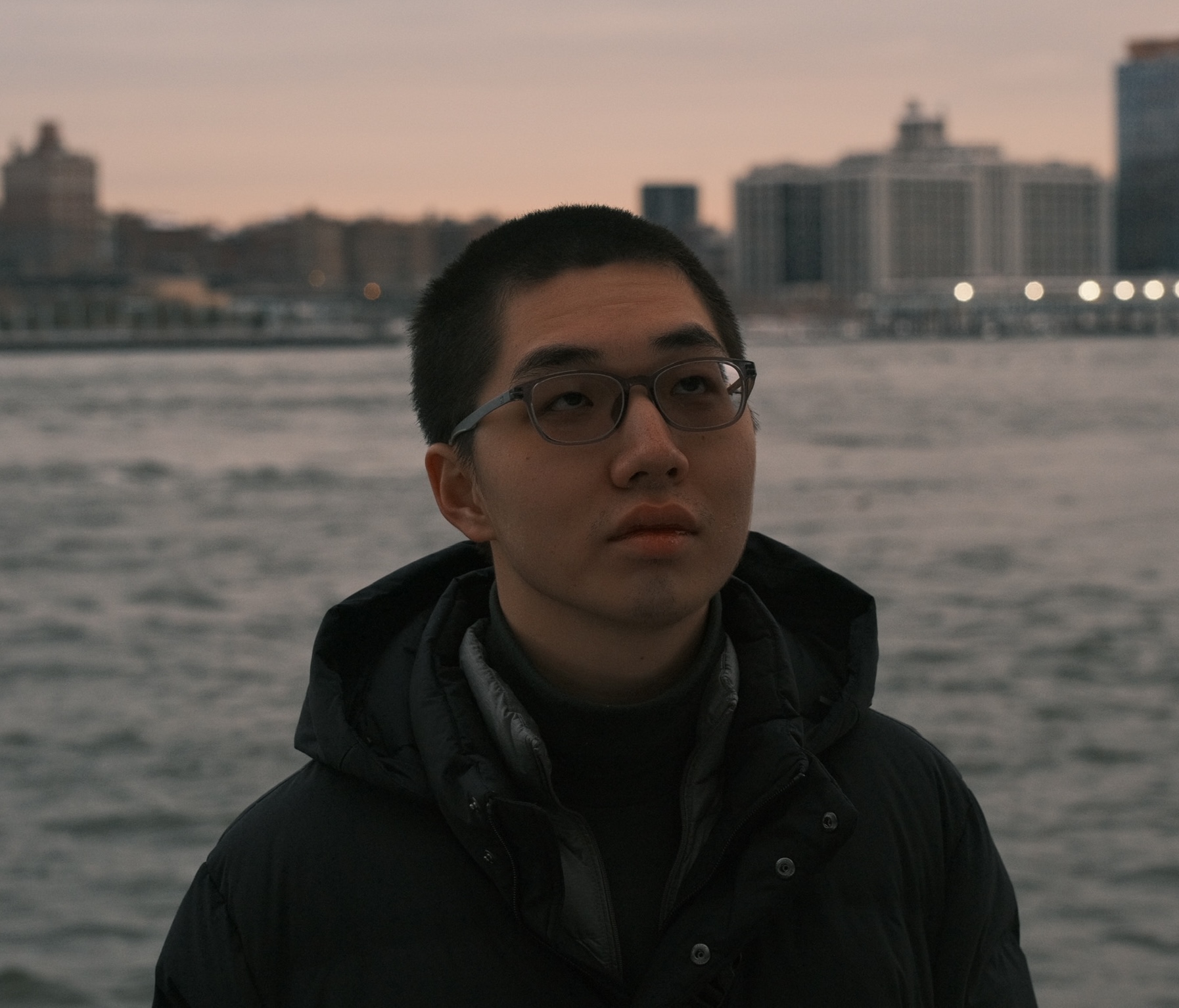
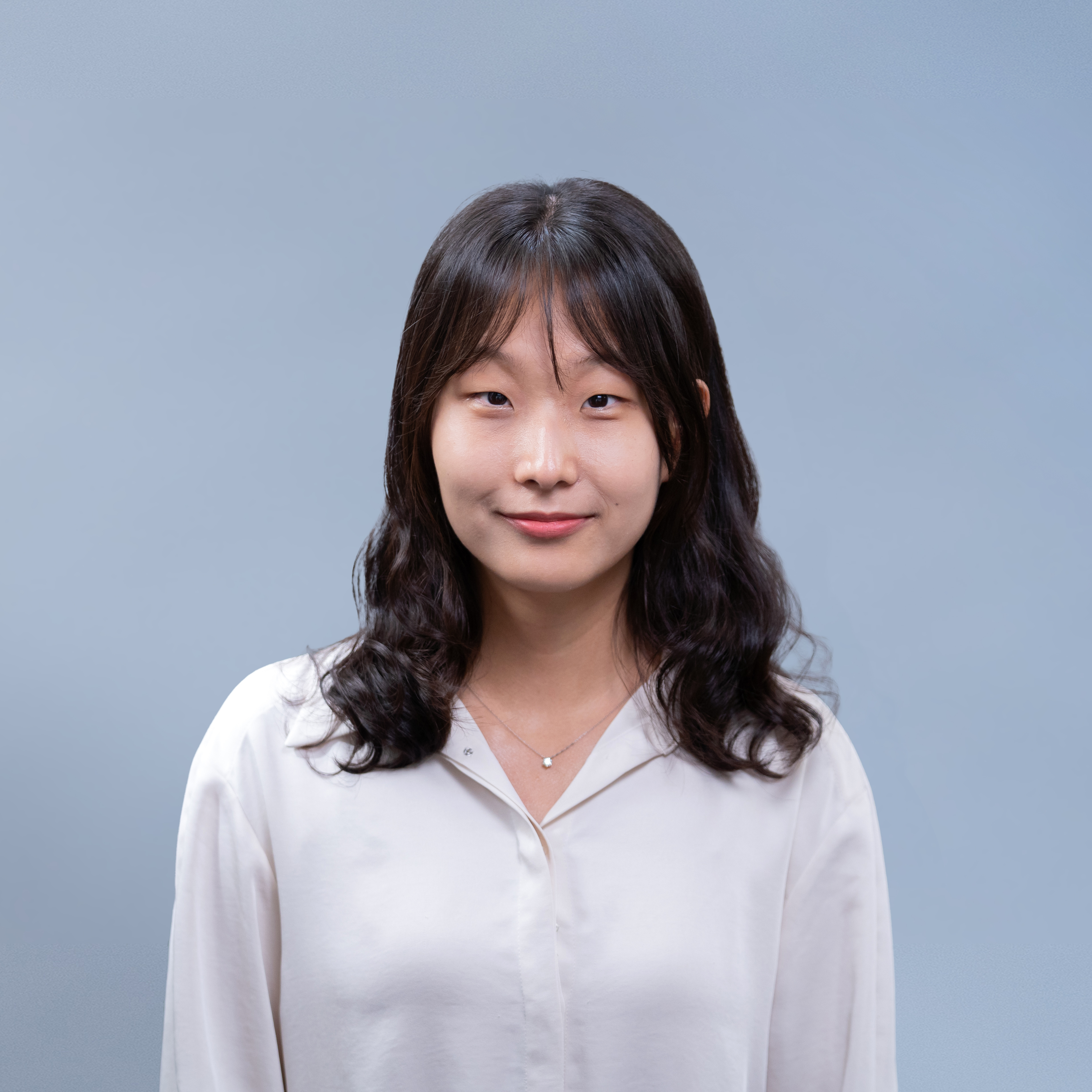
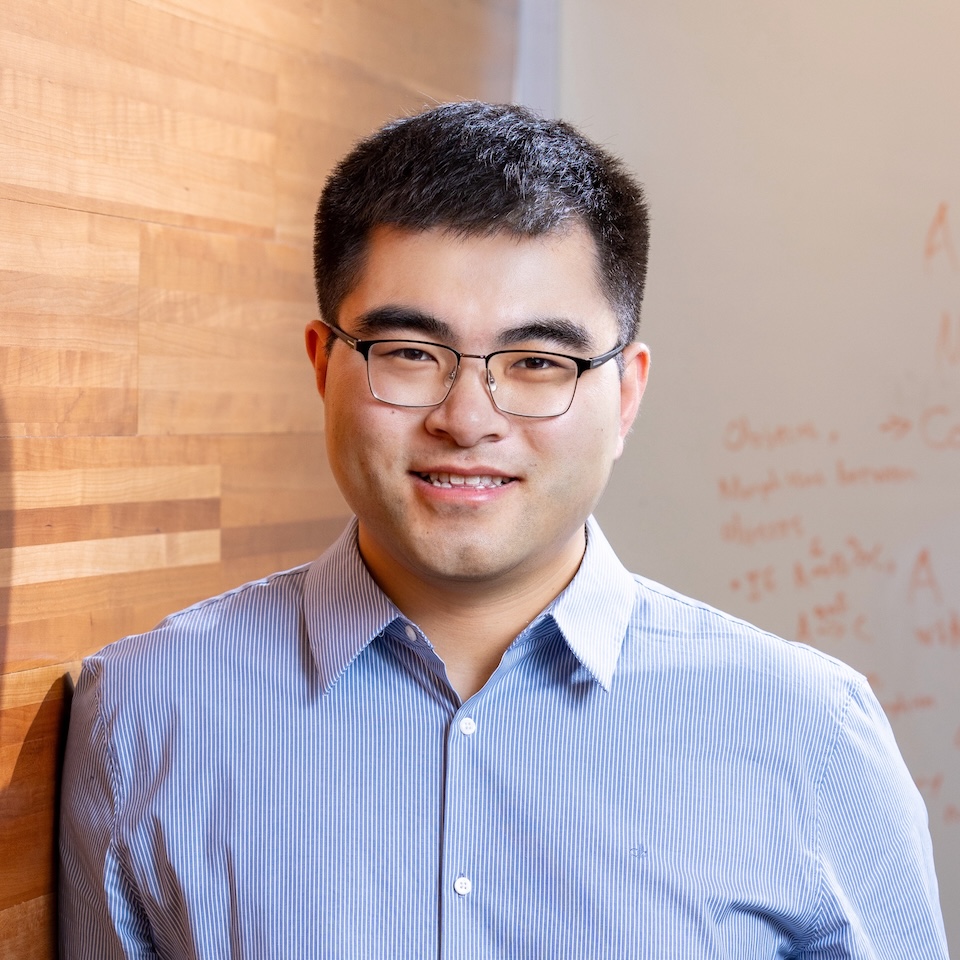
Jikai Jin
PhD student, Stanford University
Jikai Jin's research focuses on making data-driven algorithms more principled and reliable. His work on Prescriptive Scaling Laws reveals how language model capabilities take shape and evolve, and his Hierarchical Component Analysis provides new tools for causal representation learning.
Website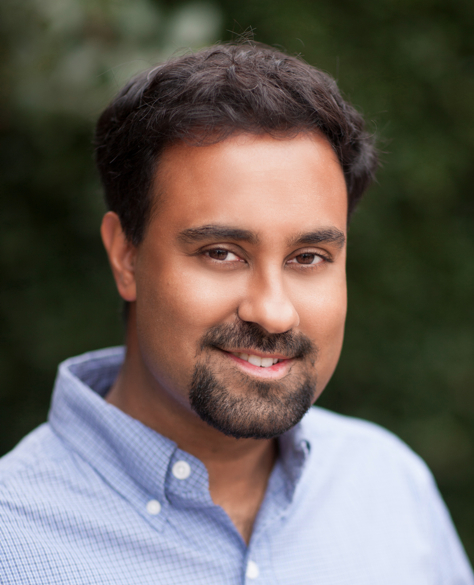
Surya Ganguli
Associate Professor, Stanford University
Surya Ganguli leverages statistical physics to study the training dynamics, generalization, and scaling laws of large neural networks. His works, including Diffusion Models, Exact Solutions to the Nonlinear Dynamics of Learning in Deep Linear Neural Networks and Deriving Neural Scaling Laws from the Statistics of Natural Language, provide a first-principles perspective on deep learning.
Website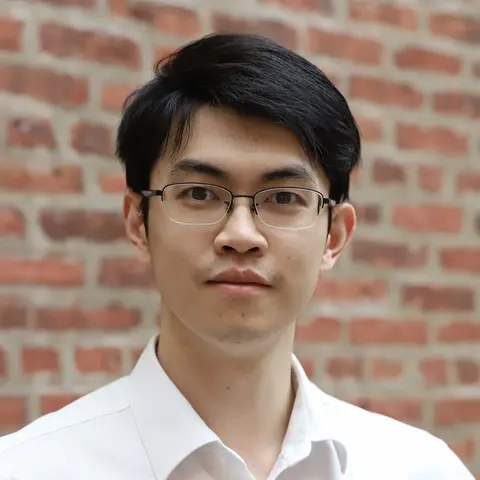
Zhiyuan Li
Assistant Professor, Toyota Technological Institute at Chicago
Zhiyuan Li works on the theoretical foundations of deep learning, particularly the implicit bias of optimization algorithms. His works such as Explaining the Edge-of-Stability and What Happens after SGD Reaches Zero Loss help demystify how training design choices fundamentally shape the trajectory and capabilities of foundation models.
Website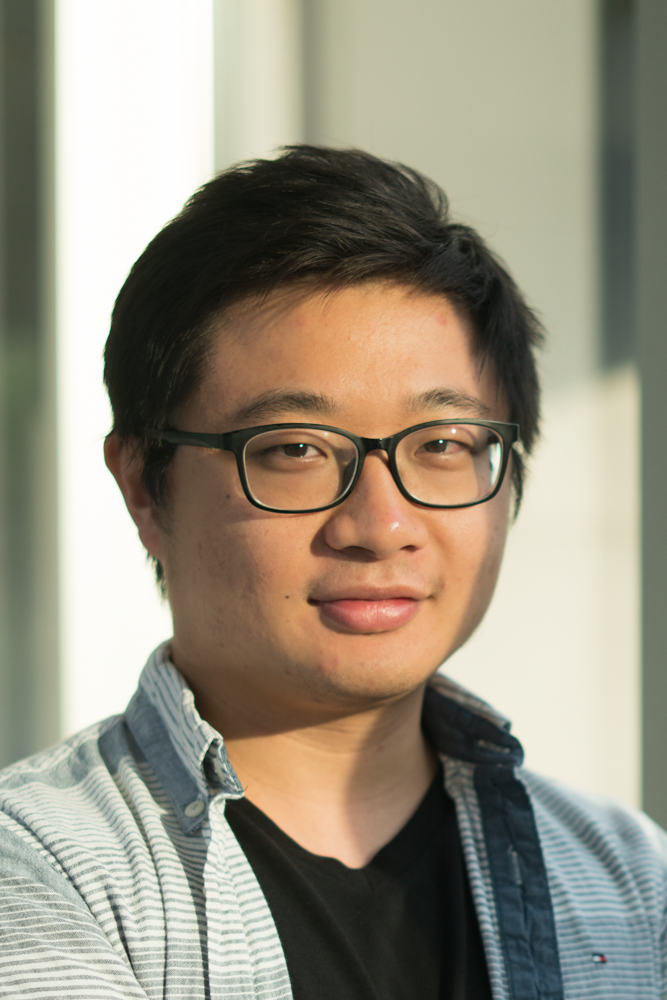
Hector Liu
Director, MBZUAI Institute of Foundation Models Silicon Valley Lab
Hector (Zhengzhong) Liu leads large-scale language model training at MBZUAI. He is the driving force behind LLM360, an initiative for fully open-sourcing the entire LLM training process to foster transparency and reproducibility, and led the development of K2, a leading fully open-source 65B language model.
Website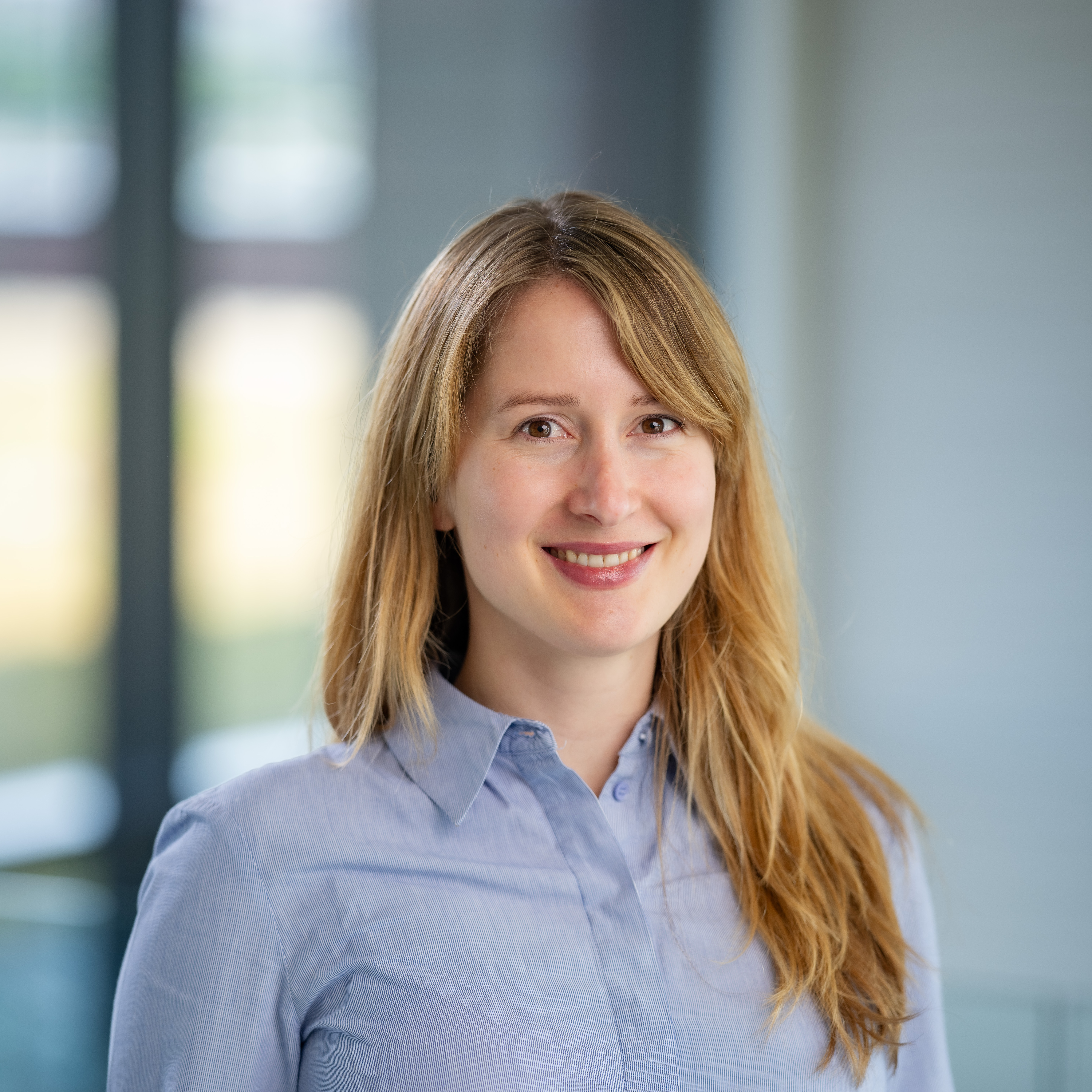
Valentina Pyatkin
Postdoctoral Researcher, Allen Institute for AI / University of Washington
Valentina Pyatkin develops robust post-training pipelines for instruction following, preference optimization, and alignment. As a core contributor to OLMo and TULU 3, her research tackles contextual robustness, reward modeling, and the systematic evaluation of generative AI.
Website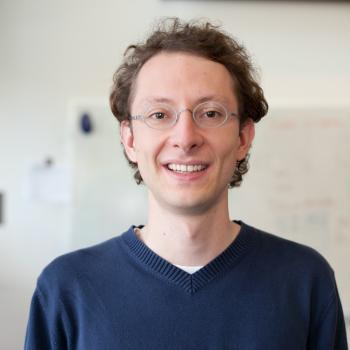
Ludwig Schmidt
Assistant Professor, Stanford University & Anthropic
Ludwig Schmidt is known for work on data curation, evaluation, and post-training. His projects such as DCLM, OpenThoughts, and TerminalBench highlight the importance of rigorous data pipelines, open reasoning datasets, and systematic evaluation in understanding large-scale models.
Website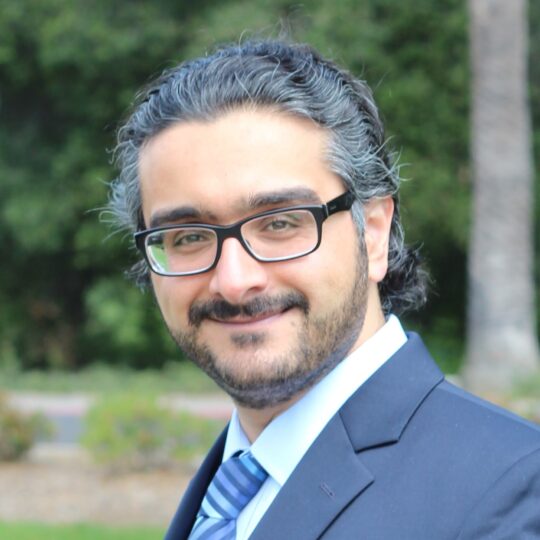
Mohammad Shoeybi
VP of Applied Deep Learning Research, NVIDIA
Mohammad Shoeybi is a pioneer in large-scale model optimization and the driving force behind Megatron-LM. His work addresses the critical algorithmic and hardware challenges of distributed training, enabling the efficient scaling of foundation models to hundreds of billions of parameters through advanced model parallelism.
Website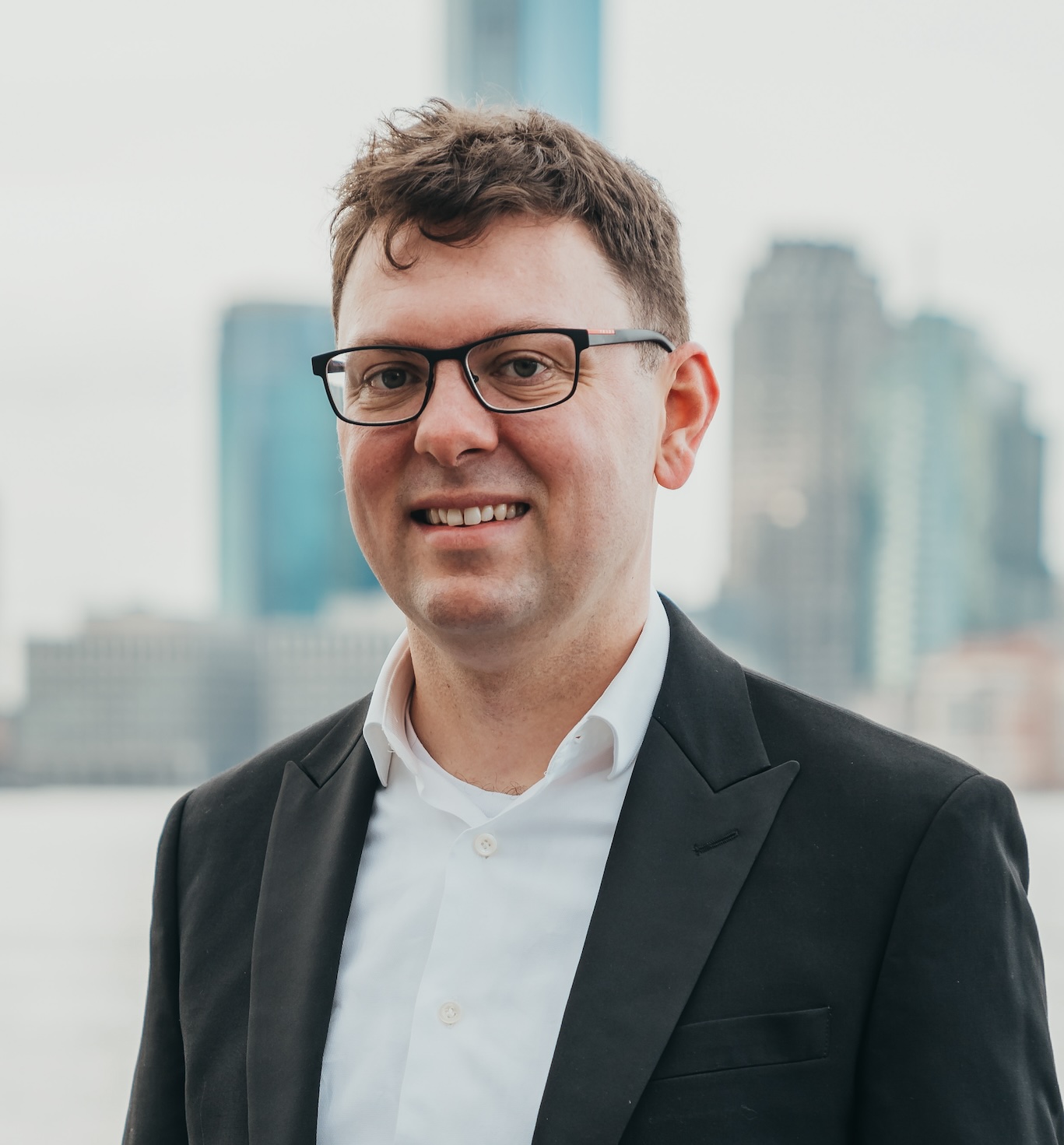
Andrew Gordon Wilson
Professor, New York University
Andrew Gordon Wilson focuses on understanding why overparameterized models generalize effectively. His works on Bayesian Deep Learning and Deep Kernel Learning bridge probabilistic inference with modern neural architectures to provide principled perspectives on generalization. His recent work on Epiplexity introduces a new information-theoretic measure for quantifying learnable structure in data, offering a foundation for principled data selection and curation.
WebsiteWorkshop Format & Schedule
A full-day program designed to balance deep technical talks with open discussion and community engagement.
Program Components
Opening Remarks
Welcome and framing of the workshop's scientific goals.
Invited Talks
Deep dives into scaling, optimization, data, and the science of post-training.
Poster Sessions
Two dedicated poster sessions during coffee breaks to discuss accepted work.
Panel Discussion
A thematic panel discussion.
Contributed Spotlights
Top submissions presented as contributed spotlight talks.
Closing Remarks & Awards
Summary, best paper awards, and next steps for the community.
Schedule Overview
- Emergent Misalignment as a Distributional Phase Transition in Rank-1 LoRA Fine-Tuning
- Where did the ambiguity go? Examining how multimodal models interpret polysemous words
- How Much Do Circuits Tell Us? Measuring the Consistency and Specificity of Language Model Circuits
- The Future of Facts: Tracing the Factual Generation-Verification GapBest Paper
- Best PaperNeuron Populations Exhibit Divergent Selectivity with ScaleAmil Dravid, Yasaman Bahri, Alexei A Efros, Yossi Gandelsman
- Best PaperThe Future of Facts: Tracing the Factual Generation-Verification GapTim R. Davidson, Anja Surina, Caglar Gulcehre
- Best Paper Runner-upDimension Is Free, Horizon Is Not: When Evolution Strategies Rival Policy Gradients for LLM Fine-TuningQiyao Liang
- Best Paper Runner-upSingle-cell foundation models obey data scaling laws on the optimized lossXuefei Wang
Schedule is tentative and subject to change. All times are in local conference time.


Reviewers
We thank the reviewers for their time and effort in reviewing for our workshop.